
Limited Licences & Disputes
Lost your licence, owed money, or caught up in a disagreement? We give clear, practical advice and help you sort it out.
How we help
Mactodd Lawyers helps people in Queenstown and Central Otago with three things:
Limited licences. We prepare limited (work) licence applications for people who have been disqualified from driving.
Dispute resolution. We help settle disagreements through negotiation, mediation or arbitration, and we can represent you in court if it comes to that.
Debt recovery. We act for both creditors and debtors, including on statutory demands, company liquidations and personal bankruptcies.
We work from our offices in Frankton, Queenstown and in Cromwell.
Limited licences (work licences)
Lost your licence? You may be able to apply to the District Court for a limited licence, also called a work licence. It lets you drive only for an approved purpose, on set days and times and on a set route.
Suspended for demerit points?
You can usually apply straight away. There's no stand-down period.
A demerit-point suspension usually lasts three months.
Disqualified for drink driving or another offence?
After a conviction there's a 28-day stand-down. You can't drive at all during it, but you can prepare and file your application.
A repeat offence can rule a limited licence out. For example, you can't apply if you're disqualified for excess blood alcohol and already have an excess blood alcohol conviction within the past five years.
Some other situations also rule it out, such as an indefinite disqualification or a disqualification for driving while disqualified.
Interlock
You can't get a limited licence while you have an alcohol interlock sentence. For drink-driving offences, the court must usually impose an interlock sentence in two situations:
A repeat offence. You're convicted of a drink-driving offence and you committed an earlier one within five years.
A very high reading, even for a first offence. Your breath alcohol was 800 mcg per litre or more, or your blood alcohol was 160 mg per 100 mL or more.
There are some exceptions, and the court can decide not to impose an interlock where there are special reasons relating to the offence. Whether any of this applies to you depends on your history, your dates and the level recorded, so talk to us first.
What the judge looks at
Are you eligible to apply? (see above)
Hardship. Not being able to drive would cause you extreme hardship (for example, you'd lose your job), or cause someone else undue hardship (for example, your employer, or a family member who relies on you to drive them).
Public safety. Granting the licence wouldn't put other road users at risk.
How we help
We prepare your application and the supporting affidavits.
Tanya Surrey appears in the Queenstown District Court on limited licence applications.
Everyone's situation is different. Call us and we'll tell you where you stand.
Dispute resolution
Going to court can be costly, and often it isn't needed. Many disputes can be settled another way. This is called alternative dispute resolution (ADR). It's used for commercial, employment, family and other disputes.
The main options
Negotiation. The people involved, often with their lawyers, try to agree a solution early. It's usually the first step and the most cost-efficient one, as long as it settles things.
Mediation. A trained, independent mediator helps both sides talk through the issues and reach their own agreement. Any agreement is usually recorded in a confidential written document.
Arbitration. This is more formal. An independent arbitrator hears both sides and makes a decision that binds both parties, whether they like it or not. It's more flexible and can be cheaper than court, but evidence, witnesses and legal submissions may still be presented.
If it doesn't settle
If ADR doesn't resolve the dispute, either side can ask a court or tribunal to decide. Even then, ADR is often a useful first step.
Choosing the right approach
We'll look at:
how flexible each side is
cost and resources
timeframes
the relationship between the parties
confidentiality
risk
the outcome you want.
We'll then recommend the most efficient and cost-effective way to resolve your dispute. If court proceedings are needed, we'll be ready to represent you.
Debt recovery and insolvency
We give clear, practical advice on debt recovery and insolvency, acting for both creditors and debtors.
Owed money? We'll help you recover it in a commercially sensible way, with as little disruption and cost as possible.
Facing a demand? We'll explain your obligations and your options.
Formal processes: we advise on statutory demands, company liquidations and personal bankruptcies, whether you're starting action or responding to it.
Criminal and traffic charges
Facing a criminal or traffic charge? Talk to Tanya Surrey, who regularly represents clients in the Criminal and Traffic lists. Tanya is a legal aid provider. Call 03 441 0125 and ask for Tanya.
Questions people ask
-
A limited licence, also called a work licence, lets a disqualified driver drive at set times and on set days. A District Court judge decides each application.
-
Yes. We prepare the application and supporting affidavits, and Tanya Surrey appears in the Queenstown District Court on limited licence applications.
-
Not always. Many disputes can be settled through negotiation, mediation or arbitration. We’ll recommend the most cost-effective route for your situation.
-
Both. We advise on recovering debts, statutory demands, company liquidations and personal bankruptcies.
Still have questions?
Reach out to our team for assistance.

Our Specialists
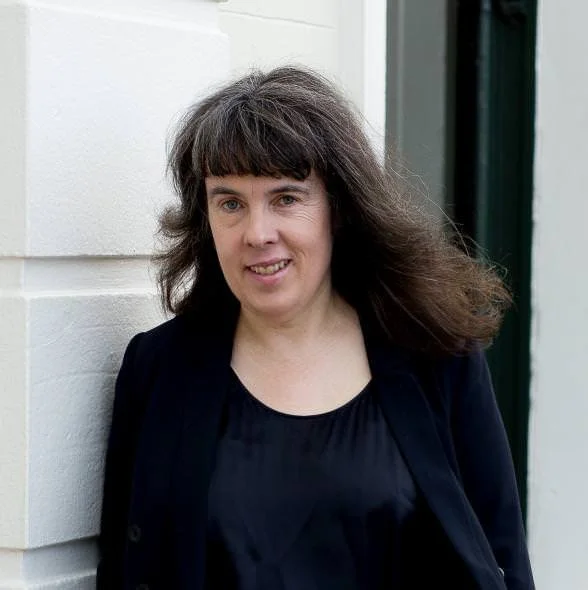
Tanya Surrey
SENIOR ASSOCIATE
Insights & Updates
Stay informed with our latest blog posts.